Aluminium Scaffolding Finland for Modern Worksites
Construction, maintenance, and industrial projects require safe and efficient access solutions to support productivity and workplace safety. Aluminium Scaffolding Finland has become a preferred choice for many sectors because it combines strength, mobility, and durability in a lightweight structure. Moreover, aluminium systems help workers perform tasks at height with greater confidence and efficiency. Whether used for building maintenance, renovation, or industrial operations, these scaffolding solutions provide reliable support while meeting the practical demands of modern worksites across Finland.?
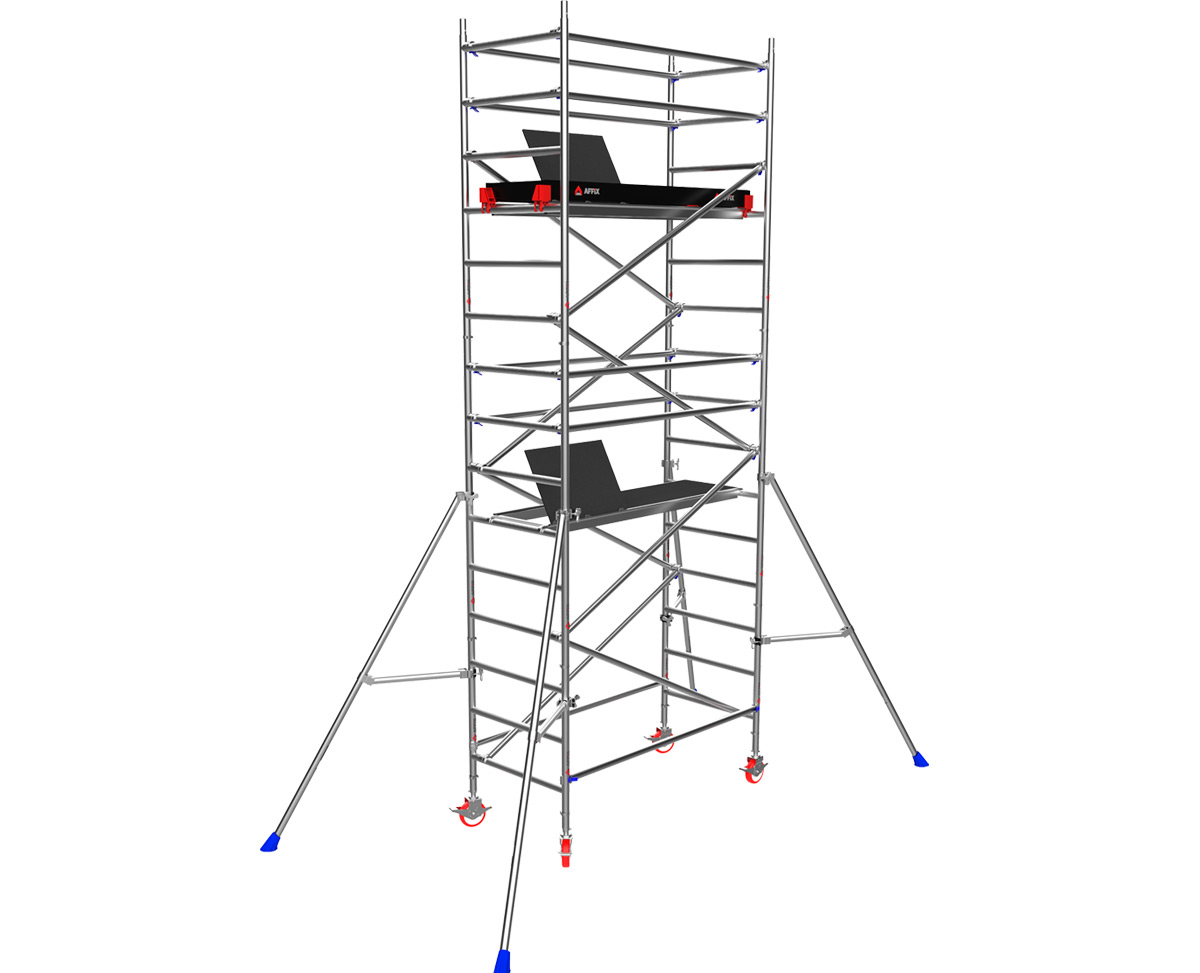
Why Aluminium Scaffolding Is Widely Used
Worksites require access equipment that balances safety with convenience. Aluminium scaffolding meets these expectations by offering practical advantages for a wide range of projects.
Unlike heavier materials, aluminium provides excellent strength without adding unnecessary weight. Consequently, workers can move and assemble scaffolding more efficiently. This feature reduces labor requirements and improves overall productivity.
Furthermore, aluminium resists corrosion effectively. As a result, scaffolding remains reliable even when exposed to varying environmental conditions. This durability makes it suitable for both indoor and outdoor applications.
Key Benefits of Aluminium Scaffolding Finland
Several factors contribute to the growing demand for Aluminium Scaffolding Finland across multiple industries.
Lightweight Construction
One of the most important benefits involves its lightweight design. Workers can transport and position components more easily compared to heavier alternatives.
Advantages include:
-
Faster assembly
-
Easier transportation
-
Reduced physical strain
-
Improved site efficiency
-
Simplified storage
Consequently, projects often progress more smoothly when teams use lightweight access systems.
High Strength and Stability
Despite its lower weight, aluminium offers impressive structural strength. Modern scaffolding systems support demanding tasks while maintaining stability.
Moreover, manufacturers design these structures to handle workplace requirements without compromising safety. This balance between strength and mobility makes aluminium an attractive solution for many applications.
Corrosion Resistance
Finland experiences varying weather conditions throughout the year. Therefore, equipment durability remains an important consideration.
Aluminium naturally resists corrosion, which helps extend the lifespan of scaffolding systems. As a result, businesses can maintain dependable access solutions for longer periods while reducing maintenance concerns.
Applications Across Different Industries
The versatility of Aluminium Scaffolding Finland allows it to serve numerous industries and project types.
Construction Projects
Construction professionals frequently use aluminium scaffolding for:
-
Exterior finishing
-
Painting projects
-
Roofing work
-
Window installation
-
Structural maintenance
Because workers often need access to different heights, adjustable scaffolding systems provide valuable flexibility throughout project stages.
Industrial Maintenance
Factories and industrial facilities require routine inspections and repairs. However, many work areas remain difficult to access without elevated platforms.
Aluminium scaffolding supports maintenance activities involving:
-
Machinery servicing
-
Ventilation systems
-
Pipe networks
-
Electrical installations
-
Production equipment
Consequently, maintenance teams can perform tasks efficiently while maintaining workplace safety.
Commercial Buildings
Commercial properties require ongoing maintenance to preserve functionality and appearance.
Workers commonly use aluminium scaffolding for:
-
Interior renovations
-
Lighting installation
-
Ceiling maintenance
-
Cleaning operations
-
Building upgrades
Moreover, the mobility of aluminium systems helps reduce disruptions during building operations.
Safety Features That Improve Workplace Protection
Safety remains one of the primary reasons organizations invest in quality scaffolding systems.
Secure Guardrails
Guardrails provide critical fall protection during elevated work. Therefore, modern scaffolding systems incorporate guardrail structures that support worker safety.
These protective features help create a secure working environment while allowing efficient task completion.
Stable Platforms
A stable platform allows workers to maintain balance while handling tools and materials.
Furthermore, stable working surfaces improve confidence and contribute to better workmanship. As a result, project quality often benefits from improved access conditions.
Reliable Locking Systems
Many aluminium scaffolding systems include wheel locking mechanisms that prevent unintended movement.
Once positioned correctly, workers can secure the structure and perform tasks without concerns regarding unnecessary shifting.
Factors to Consider Before Choosing Scaffolding
Selecting the right scaffolding system requires careful planning. Different projects demand different specifications and capabilities.
Working Height Requirements
Every project involves unique height requirements. Therefore, managers should evaluate the maximum working height before selecting equipment.
Choosing an appropriate height range helps ensure efficient operations while maintaining safety standards.
Load Capacity
Load capacity represents another critical factor.
Workers should account for:
-
Personnel
-
Tools
-
Equipment
-
Materials
-
Safety accessories
Proper load management supports structural stability and reduces workplace risks.
Work Environment
Site conditions influence scaffolding selection significantly.
Important considerations include:
-
Indoor or outdoor use
-
Available space
-
Surface conditions
-
Weather exposure
-
Project duration
Consequently, selecting equipment that matches environmental conditions improves performance and reliability.
Weather Considerations in Finland
Environmental conditions affect construction and maintenance activities throughout Finland.
Cold Climate Performance
Many projects continue during colder seasons. Therefore, scaffolding systems must remain dependable under varying temperatures.
Aluminium maintains strong performance characteristics while supporting safe access solutions during demanding weather conditions.
Outdoor Stability
Outdoor work requires additional planning because wind and uneven surfaces can affect safety.
Project teams should evaluate:
-
Ground stability
-
Weather forecasts
-
Platform positioning
-
Load distribution
-
Safety procedures
By addressing these factors, organizations can improve operational safety and efficiency.
Productivity Advantages of Aluminium Scaffolding
Efficiency remains a key objective for every project. Aluminium scaffolding contributes directly to productivity improvements.
Quick Assembly and Dismantling
Workers can assemble aluminium structures more rapidly because components remain lightweight and manageable.
Consequently, teams spend less time preparing equipment and more time completing project tasks.
Easy Mobility
Many scaffolding systems include wheels that simplify movement between work areas.
As a result, workers can reposition platforms quickly without extensive dismantling. This flexibility supports faster project completion and smoother workflow management.
Adaptability for Multiple Tasks
Different tasks often require different access configurations.
Aluminium scaffolding accommodates various applications, including:
-
Inspection work
-
Maintenance projects
-
Installation tasks
-
Renovation activities
-
Finishing operations
Therefore, organizations gain greater value from versatile equipment investments.
Maintenance Requirements
Proper maintenance helps preserve scaffolding performance and safety.
Routine Inspections
Regular inspections allow teams to identify issues before they affect operations.
Inspection areas include:
-
Frames
-
Wheels
-
Braces
-
Platforms
-
Locking mechanisms
Consistent monitoring supports reliable performance throughout the equipment lifecycle.
Cleaning and Storage
Proper storage protects scaffolding components from unnecessary wear.
Moreover, routine cleaning helps maintain structural integrity and professional appearance. These simple practices contribute to long-term reliability and cost efficiency.
Training and Workforce Awareness
Equipment quality alone cannot ensure workplace safety. Organizations must also prioritize worker training.
Essential Training Topics
Employees should receive instruction covering:
-
Assembly procedures
-
Safe operating practices
-
Load limitations
-
Hazard recognition
-
Emergency response procedures
As a result, workers can use scaffolding systems more effectively while reducing operational risks.
Promoting Safety Culture
A strong safety culture encourages consistent compliance with established procedures.
Furthermore, regular communication helps reinforce best practices across all project stages. This proactive approach supports both safety and productivity objectives.
Environmental and Economic Benefits
Businesses increasingly seek solutions that combine operational efficiency with sustainability.
Long Service Life
Aluminium offers excellent durability, which contributes to extended equipment lifespan.
Consequently, organizations can reduce replacement frequency and improve return on investment.
Reusable Access Solutions
Unlike disposable alternatives, aluminium scaffolding supports repeated use across numerous projects.
This reusability reduces material waste and promotes more responsible resource utilization.
Lower Transportation Costs
Because aluminium remains lightweight, transportation often requires fewer resources.
As a result, organizations may improve logistics efficiency while supporting project flexibility.
Future Outlook for Aluminium Scaffolding Finland
Construction and maintenance industries continue to prioritize safety, efficiency, and adaptability. Consequently, Aluminium Scaffolding Finland remains an important component of modern project planning.
Manufacturers continue to improve design features that enhance mobility, stability, and ease of use. Moreover, advancements in engineering support stronger yet lighter structures that meet evolving workplace requirements.
Organizations increasingly value equipment that helps reduce downtime while maintaining high safety standards. Therefore, aluminium scaffolding will continue to play a significant role in construction, industrial maintenance, renovation, and commercial property management.
As project demands become more complex, businesses require access solutions that deliver flexibility without compromising reliability. Aluminium scaffolding meets these expectations by combining durability, portability, and practical functionality.
Conclusion
Aluminium Scaffolding Finland provides a dependable solution for safe and efficient work at height. Its lightweight construction, corrosion resistance, strength, and versatility make it suitable for construction, maintenance, industrial, and commercial applications. Moreover, proper planning, regular inspections, and effective training help maximize the benefits of these systems. As organizations continue to prioritize workplace safety and productivity, aluminium scaffolding remains a valuable investment that supports reliable performance across a wide range of projects and operating environments.

Comments
Post a Comment